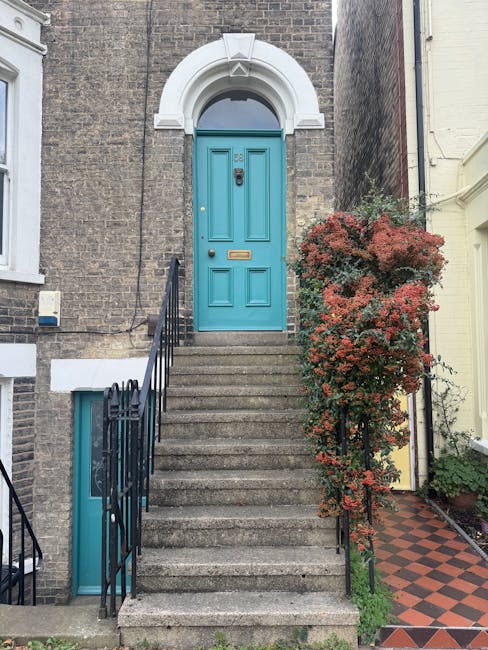
Gardeners for Victoria Park front gardens Cambridge Heath: practical help for beautiful, low-fuss front gardens
If you live near Victoria Park and your front garden is the bit that greets you every day, you already know the stakes. It is the first thing you see when you come home, the first thing neighbours notice, and-let's face it-the part that can either look quietly elegant or somehow turn scruffy in a week. Gardeners for Victoria Park front gardens Cambridge Heath are often called in for exactly that reason: to make the entrance to a home feel neat, welcoming, and easy to keep that way.
Front gardens in this part of East London have their own character. Space is often tight, pavements and boundaries matter, and the planting needs to cope with shade, wind, passing foot traffic, and the occasional "I'll sort that next weekend" moment that turns into three months. This guide explains how professional gardeners approach Victoria Park front gardens, what works well locally, and how to make sensible choices that look good without becoming a chore.
Quick takeaway: the best front gardens in Cambridge Heath are usually not the fanciest ones. They are the ones with the right structure, the right planting, and a maintenance plan that actually fits real life.
- Why it matters
- How it works
- Key benefits and practical advantages
- Who needs this and when it makes sense
- Step-by-step guidance
- Expert tips for better results
- Common mistakes to avoid
- Tools, resources and recommendations
- Law, compliance, standards, or best practice
- Options, methods, or comparison table
- Case study or real-world example
- Practical checklist
- Conclusion
- Frequently asked questions
Why Gardeners for Victoria Park front gardens Cambridge Heath Matters
A front garden does a lot more work than people give it credit for. It sets the tone of the property, softens the street view, and can make a small home feel more established. In a place like Cambridge Heath, where many homes sit close to the pavement, the front garden is often the most visible outdoor space. That makes good design especially valuable.
Gardeners who understand Victoria Park front gardens tend to focus on three things: tidiness, scale, and resilience. Tidy doesn't mean sterile. Scale means not cramming in plants that will quickly swamp a narrow bed or block the light to the window. Resilience means choosing planting and materials that can cope with real local conditions, not just a perfect afternoon in spring.
There is also the practical side. Front gardens can influence drainage, access, privacy, and the everyday feel of the property. If the layout is awkward, the gate sticks, or the planting turns into a thicket, the whole frontage starts working against you. A good gardener sees that early. Sometimes the fix is simple. Trim the hedge, reset the edge, improve the soil, and suddenly everything feels calmer. Funny how that works.
For homeowners who want guidance beyond a quick tidy-up, it can help to explore broader gardening services alongside specialist help such as hedge trimming in Cambridge Heath. Front gardens often need a mix of both.
How Gardeners for Victoria Park front gardens Cambridge Heath Works
Good front garden work usually starts with observation, not tools. That sounds obvious, but you would be surprised how often people reach for the trimmer before they have really looked at what the space needs.
A professional gardener will usually begin by assessing light, soil condition, access, boundary lines, existing shrubs, and how much maintenance the homeowner wants. A front garden near Victoria Park may have dappled shade from trees, a windy corner, compacted soil near the path, or a lot of pavement dust. Those details shape the plan.
Then comes the practical design stage. This is where the gardener decides whether the space needs structure from hedging, year-round interest from evergreens, a softening layer of ground cover, or a cleaner minimalist look. A tiny front plot may benefit from miniature trees for urban gardens, while a shallow bed might be improved with low-spread planting inspired by ground covers that add texture.
Once the plan is set, the gardener clears, prunes, reshapes, plants, and refines edges. In some cases they will also repair boundaries, refresh mulch, or improve the front approach with simple landscaping. If the garden has become neglected, the process often starts with a reset. There is no magic to it, just steady work and good judgement.
For properties where privacy is part of the brief, front-facing planting can be paired with smart screening. The idea is not to create a wall, but a boundary that feels calm and intentional. A well-placed hedge can do more for comfort than a noisy fence ever will.
Key Benefits and Practical Advantages
When front gardens are handled properly, the benefits are immediate and surprisingly broad. It is not only about appearance, although that is often what people notice first.
- Better first impression: A balanced, neat frontage makes the whole property feel cared for.
- Less weekly hassle: A well-designed garden is easier to maintain between visits.
- Improved privacy: Layered planting, hedges, and climbers can screen views without looking harsh.
- More usable space: Even a narrow front garden can become a proper feature rather than dead space.
- Stronger seasonal interest: The right mix of plants keeps the garden looking alive through winter and into spring.
- Safer access: Clean paths, clear gateways, and sensible planting reduce trips and blockages.
There is also a value in restraint. A front garden does not need to carry every idea at once. In fact, too many ideas usually makes it harder to maintain and less attractive. A tidy hedge, a restrained palette, and one or two focal plants can often look more expensive than a crowded bed full of "interesting" things that argue with each other.
For people who want a lower-maintenance approach, it may help to look at budget-friendly low-maintenance garden ideas and apply them to the front of the home rather than the back. That is often where the payoff is fastest.
Who This Is For and When It Makes Sense
This kind of garden work suits a fairly wide group of people. Some want a more polished home front. Others just want to stop the weekly battle with weeds, overgrown shrubs, and that one corner that never quite looks right.
You may benefit from local gardeners if you are:
- a homeowner wanting a smarter street-facing entrance
- a landlord preparing a property for viewings or regular occupation
- someone short on time who needs maintenance without the faff
- a family wanting safer, clearer access to the house
- a design-minded resident looking for a more elegant front boundary
- someone dealing with a tired or neglected frontage
It also makes sense if your front garden is awkwardly shaped. Odd corners, narrow strips, and patchy soil can be frustrating, but they are often where a good gardener earns their keep. Small spaces are rarely hopeless. They just need sharper choices.
If your front garden has gone beyond a light tidy-up, a reset can be the best first step. There is useful guidance on reviving a neglected garden, and the same thinking works very well in the front of house.
Step-by-Step Guidance
Here is a practical, grounded way to tackle a front garden in Victoria Park or Cambridge Heath. Not flashy. Just effective.
- Walk the space slowly. Notice where people naturally walk, where water sits after rain, and which plants are struggling.
- Decide the garden's job. Is it meant to be low-maintenance, privacy-led, wildlife-friendly, or simply neat and welcoming?
- Clear the clutter first. Remove dead growth, self-seeded weeds, broken containers, and anything blocking the shape of the garden.
- Define the structure. Edges, hedges, paving lines, and bed shapes matter more than people think.
- Choose plants for the conditions. Sun, shade, wind, and soil all matter. A plant that looks lovely in a catalogue can be a disaster by the gate.
- Build in easy maintenance. Mulch, simple planting layers, and clear access save time all year.
- Finish with a tidy edge. This last step is the difference between "better" and "properly finished."
A small front garden can often be improved fastest by narrowing the number of materials and colours. One paving style, one or two key shrub types, and a repetition of ground cover creates calm. Add too much variety and the space starts to feel noisy. A bit like a room with too many cushions. You know the look.
If privacy is a concern, consider a hedge or evergreen climber. For ideas, see fast-growing hedges for privacy and evergreen climbers for shaded corners.
Expert Tips for Better Results
A few small choices can make a front garden much easier to live with.
1. Think in layers, not isolated plants
Front gardens work best when there is a clear structure at the back, mid-level planting in the centre, and low planting or edging at the front. That layered approach gives depth without overcrowding.
2. Prioritise winter shape
Many front gardens look good for six months and flat for the rest of the year. Evergreens, clipped forms, and winter-hardy plants keep the frontage looking steady through colder months. A handy reference point is winter-hardy garden plants.
3. Use a few repeating plants
Repeated shapes and textures feel more intentional. Three of the same shrub usually looks better than one each of three different shrubs. That is just design doing its job.
4. Keep the gateway and path honest
If the path is too narrow, blocked, or visually messy, the whole frontage suffers. The eye goes there first. Clean paving and uncluttered access are never wasted effort, which is why many homeowners pair planting work with patio cleaning or related hard-surface refreshes.
5. Plan for maintenance before planting
If you do not want to prune every few weeks, avoid plants that demand it. Lovely as some specimens are, they are not always practical for busy households.
One more thing. Wind matters. Victoria Park edges and nearby streets can funnel gusts through exposed fronts, so sturdy planting and proper staking are worth considering. If you want a useful local read, there is a strong piece on wind management in gardens.
Common Mistakes to Avoid
A lot of front garden problems are entirely avoidable. The same few mistakes keep turning up, and they are usually simple to fix once spotted.
- Planting for the first season only: A garden needs to look good in winter, not just in June.
- Overfilling narrow spaces: Crowding creates more work and often makes the plot look smaller.
- Ignoring soil condition: Compact, dry, or depleted soil leads to weak growth and patchy results.
- Using high-maintenance plants by accident: Some plants are beautiful but relentless.
- Skipping edging: Without clear edges, even healthy planting can look unfinished.
- Forgetting drainage: Wet patches near the front path can create mud, damage roots, and make access messy.
Another mistake is treating the front garden like an afterthought. Truth be told, that is where many properties lose curb appeal. It does not need a grand redesign. It just needs a little respect and a coherent plan.
People also underestimate how much a hedge can do. Done badly, it becomes a monster. Done well, it is neat, softening, and surprisingly elegant. If you need more on shaping and keeping hedges in form, creative hedge trimming shapes is worth a look.
Tools, Resources and Recommendations
For most front garden work, the best tools are straightforward rather than fancy. You do not need a shed full of gadgets. You need the right tools, used well.
- clean secateurs for precise pruning
- hedge shears or powered trimming tools for shaping
- a stiff brush and edging tool for path lines
- spade and fork for soil improvement
- mulch or compost to help moisture retention and feeding
- gloves, eye protection, and proper footwear
For people setting up their own routine, this guide to essential gardening tools is a useful companion. It is the sort of article that saves you from buying the wrong thing twice.
Other helpful topics include container gardening for the front of house when ground space is limited, especially in terraces or compact Victorian plots. A good starting point is container gardening for small spaces. For edging plants and living coverage, ground cover ideas can help keep weeds down and the soil protected.
If the frontage needs more than plants-say new boundaries, a better layout, or a smarter approach to structure-then wider help such as landscaping, fencing, or even tree surgery may be the right route. And if the garden is really part of a bigger outdoor plan, garden maintenance and lawn care can keep everything coordinated.
Law, Compliance, Standards, or Best Practice
Front garden work is usually straightforward, but there are still sensible standards to follow. Professional gardeners should work safely, avoid creating hazards on paths or near entrances, and respect property boundaries. If trees, fencing, or access routes are involved, it is wise to check before cutting back anything that might belong to a neighbour or sit on a shared boundary.
Good practice also means using appropriate protective equipment, storing tools safely, and keeping work areas clear. That matters more in front gardens than in back gardens, because the public-facing nature of the space means people may pass by, children may approach, and deliveries still need access. It is all fairly ordinary stuff, but ordinary stuff is what keeps jobs tidy and trouble-free.
If you are hiring help, ask about insurance, health and safety, payment terms, and how complaints are handled. A serious provider should have clear information available on pages such as insurance and safety, health and safety policy, payment and security, terms and conditions, and complaints procedure. Those pages are not just formalities. They tell you a lot about how the service is run.
For background on the business itself, it can also help to read about the team and understand the practical approach behind the work.
Options, Methods, or Comparison Table
There is no single best way to improve a front garden. The right choice depends on space, budget, and how much maintenance you want to take on. Here is a simple comparison that may help.
| Approach | Best for | Pros | Watch-outs |
|---|---|---|---|
| Neat maintenance and pruning | Gardens that are already fairly well set up | Quick improvement, lower cost, good for ongoing care | Won't solve poor layout or weak planting choices |
| Replanting with structure | Tired or patchy front gardens | Big visual improvement, better year-round interest | Needs a little planning and patience |
| Hedges and screening | Frontages needing privacy or definition | Softens views, gives shape, can feel elegant | Requires trimming and correct species choice |
| Container-led design | Very small or awkward spaces | Flexible, good for renters or limited soil areas | Pots need watering and seasonal refresh |
| Full landscaping refresh | Front gardens needing layout changes | Best for access, structure, and long-term value | More involved and usually higher cost |
If you are unsure which route suits your garden, start with maintenance and assessment before jumping straight into a redesign. That is usually the least wasteful way to do it.
Case Study or Real-World Example
A typical Cambridge Heath front garden might begin as a narrow strip with an overgrown hedge, two tired shrubs, patchy weeds, and a path that has lost its edge. Nothing dramatic, just a bit neglected. The homeowner wants privacy, but also wants the house to look calmer from the street. Fair enough.
The first stage would likely involve a clear-out: dead wood removed, weeds tackled, hedge reshaped, and edges restored so the shape of the garden is visible again. That alone can transform the feeling of the space. Then the gardener might introduce a few compact evergreens, a low-maintenance ground cover, and one feature plant with enough presence to stop the garden feeling flat.
If the frontage gets strong wind or a lot of winter shade, plant choice would shift accordingly. The goal is not to force an idea into the space. It is to let the space tell you what it can support. That sounds a bit poetic, maybe, but it is also just good gardening.
In a case like this, the best result is usually not an over-designed showpiece. It is a garden that looks confident in March, neat in August, and still respectable by November. That is the real win.
Practical Checklist
Use this quick checklist before starting work on a Victoria Park front garden:
- Confirm the garden's main purpose: privacy, presentation, low maintenance, or all three
- Check light, wind, and drainage conditions
- Remove weeds, dead growth, and unwanted self-seeding plants
- Decide what needs trimming, replacing, or reshaping
- Keep path access clear and safe
- Choose plants that suit the site, not just the look you want
- Add structure through edging, hedging, or repeated planting
- Use mulch or compost to support the soil
- Think about winter appearance, not only summer colour
- Plan simple ongoing maintenance so the garden stays tidy
Expert summary: if a front garden feels hard to maintain, the answer is usually not more effort. It is better structure, better plant choice, and fewer unnecessary features. Simple, yes. But not easy unless you know what you are looking at.
Get a free quote today and see how much you can save.
Conclusion
Gardeners for Victoria Park front gardens Cambridge Heath are really about making everyday life easier and a little more pleasant. A front garden should not be a source of low-level annoyance. It should welcome you home, suit the street, and hold its shape without demanding constant rescue.
Whether you need hedge shaping, a full refresh, better planting, or a calmer layout, the smartest approach is usually the one that balances appearance with maintenance. That is especially true in local front gardens where space is precious and the street view is unforgiving. Get the structure right, and the rest becomes much simpler.
If you are ready to improve the front of your home, take the first step with a proper conversation and a practical plan. A good garden does not shout. It just feels right, day after day.
Frequently Asked Questions
What do gardeners for Victoria Park front gardens Cambridge Heath usually help with?
They usually handle pruning, hedge shaping, weed control, planting, edging, general tidy-ups, and small design improvements. In some cases, they also help with layout changes or basic landscaping if the front garden needs more than maintenance.
How often should a front garden be maintained?
That depends on the planting and the season, but many front gardens benefit from regular attention every few weeks during the growing season. Faster-growing hedges and border plants may need more frequent work, while low-maintenance schemes can stretch longer between visits.
Is a small front garden worth improving?
Absolutely. Small front gardens often make the biggest visual difference because they sit right at the entrance to the home. A few good changes-clean edges, better plants, a neat hedge-can transform the whole property.
What plants work well in Cambridge Heath front gardens?
Plants that cope well with local conditions are usually best: compact shrubs, evergreens, ground covers, and some hardy perennials. The exact choice depends on shade, wind, and soil, so there is no one-size-fits-all answer.
Can a front garden improve privacy without looking closed off?
Yes. The trick is using layered planting, hedges, or climbers rather than a solid visual block. Done well, privacy planting feels soft and inviting rather than defensive.
What is the biggest mistake people make with front gardens?
Overplanting. It sounds harmless, but too many plants in a small frontage quickly create maintenance problems and make the space look smaller. Restraint usually wins.
Do front gardens need different care in winter?
They do. Winter care is often about keeping structure, checking damage after wind or frost, and making sure the garden still looks neat when flowers are scarce. Winter-hardy plants are especially useful here.
Can I mix containers with ground planting in a front garden?
Yes, and that often works very well in small or awkward spaces. Containers add flexibility, especially where soil is poor or the layout needs a bit of softness without permanent changes.
How do I know whether I need maintenance or a full redesign?
If the garden is basically sound but overgrown, maintenance may be enough. If the layout is awkward, the soil is poor, or the planting never seems to work, a redesign may be the better investment. A proper assessment helps here.
Are there safety or compliance issues with front garden work?
There can be. Garden work should be done safely, with clear access, proper tools, and respect for boundaries and shared features. If the work involves fencing, trees, or anything that could affect neighbours or passers-by, it is best to handle it carefully and professionally.
How do I get a better-looking front garden without spending too much?
Focus on the basics first: clear the weeds, define the edges, prune the overgrowth, and choose a few reliable plants rather than many novelty ones. A tidy, simple garden often looks better than a busy, expensive one.
What should I ask before hiring a gardener locally?
Ask what they include, how they handle safety, whether they are insured, how quotes are prepared, and how ongoing maintenance is managed. Those questions help you judge whether the service will suit your home and your expectations.