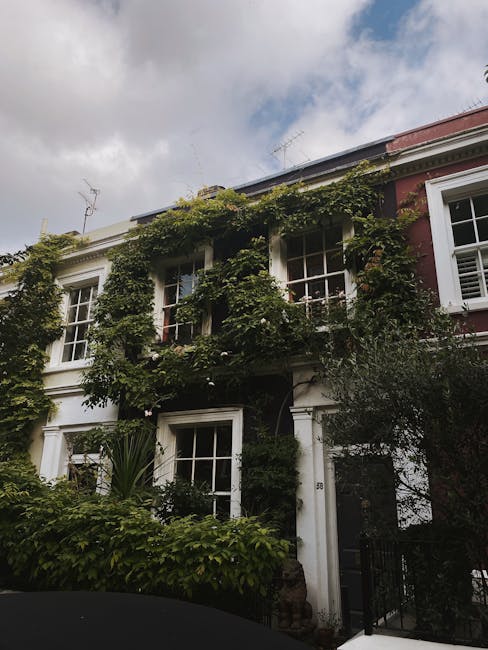
Gardeners covering Columbia Road and Bethnal Green homes
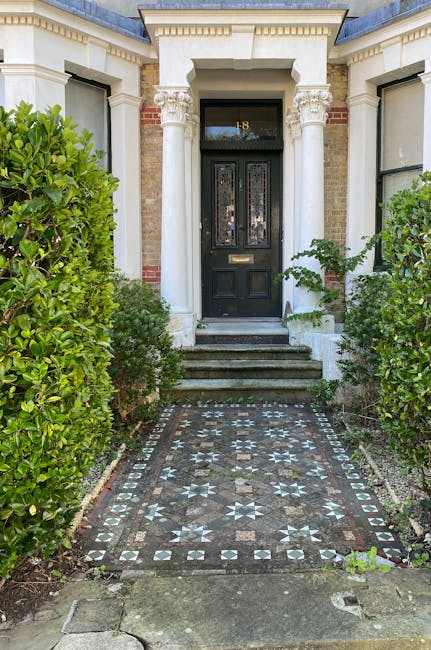
If you live near Columbia Road or in Bethnal Green, you already know the gardens here can be a bit of a mixed bag: compact courtyards, narrow front patches, shaded back gardens, and the occasional overgrown jungle hiding behind a terrace. Gardeners covering Columbia Road and Bethnal Green homes need to handle all of that without making it feel like a production. This guide explains what that service actually involves, how it works in real life, and what to look for if you want a garden that feels tidy, usable, and easy to live with.
Truth be told, local gardens often need more than a quick mow. They need sensible planting choices, regular upkeep, and a bit of judgement around light, wind, privacy, and space. That is where a good gardening service earns its keep.
Why Gardeners covering Columbia Road and Bethnal Green homes Matters
Gardens in this part of East London tend to be highly individual. One home may have a sunny, sheltered patio that begs for herbs and seating, while the next has a shaded rear space where moss, damp, and thirsty soil all seem to arrive at once. A general approach to gardening rarely works well here. Local conditions matter.
Homes around Columbia Road and Bethnal Green often face a few predictable challenges:
- small outdoor spaces that must work hard
- variable shade from neighbouring buildings and trees
- wind exposure in exposed corners and upper-level gardens
- pressure on privacy from nearby windows and terraces
- busy household routines that leave little time for maintenance
That is why a thoughtful gardener is not just cutting grass or trimming hedges. They are helping a space function better. In practice, that might mean choosing container gardening ideas for tight spaces, reshaping a hedge for privacy, or planning a planting scheme that holds up through a proper British winter.
There is also the quality-of-life side. A neat, healthy garden changes how you use a home. You step outside more. You eat lunch in the sun. You stop ignoring that awkward corner by the fence. Small things, yes, but they add up fast.
How Gardeners covering Columbia Road and Bethnal Green homes Works
The best gardening service starts with listening. Not glamorous, but essential. A gardener should first understand how you use the garden, what is frustrating you, and whether you want low-maintenance structure, seasonal planting, better privacy, a cleaner patio, or a proper reset.
A typical process often looks like this:
- Initial assessment. The garden is reviewed for size, access, light levels, condition, and any obvious issues such as weeds, dead growth, broken edging, or tired lawn.
- Priority setting. The gardener identifies what matters most first: safety, access, appearance, plant health, or long-term design.
- Practical plan. Work is grouped into immediate tasks and longer-term improvements.
- Execution. This can include mowing, pruning, hedge trimming, patio cleaning, bed clearance, planting, and waste removal depending on the brief.
- Ongoing care. Some homes need seasonal visits, others benefit from regular maintenance to stop the whole thing slipping back again.
If a garden is badly neglected, the first visit is usually not about beauty. It is about recovering the basics. Clearing access, cutting back overgrowth, removing dead material, and seeing what is actually alive underneath the tangle. A useful read on that topic is how to revive a neglected garden.
For homeowners, the service should feel organised and straightforward. No mystery, no endless back-and-forth. Just a clear plan, a clean finish, and honest expectations. That is the goal, anyway.
Key Benefits and Practical Advantages
Gardeners covering Columbia Road and Bethnal Green homes bring more than convenience. They can make a genuinely difficult outdoor space work better day to day.
1. Better use of small or awkward spaces
Many local gardens are compact or oddly shaped. Professional help can turn a cramped yard into a space that feels calmer and more intentional. Vertical planting, pots, narrow beds, and clever seating placement can make a surprising difference. If you want ideas in that direction, vertical gardening designs can be a smart starting point.
2. Less time spent fighting weeds and overgrowth
Weeds do not negotiate. They just keep showing up. Regular maintenance, mulching, and the right planting choices reduce the mess and make future work easier. A little prevention now saves a whole lot of weekend frustration later.
3. Healthier plants through seasonal care
Plants in London gardens deal with temperature swings, dry spells, wind, and patchy shade. The right gardener will choose resilient plants and adjust care through the year. If you are thinking about plant choice, this guide on winter hardiness for garden plants is well worth a look.
4. Improved privacy and comfort
In tightly packed streets, privacy matters. Hedges, climbers, and layered planting can soften overlooking windows and create a more enclosed feel. A garden does not need to be huge to feel private. It just needs the right structure.
5. Safer, tidier outdoor areas
Broken paving, slippery moss, loose debris, and overhanging branches can all create nuisance or risk. Good maintenance reduces the chance of trips, blocked paths, and minor accidents. That matters especially for families, older residents, and anyone who wants the garden used often.
Expert summary: A strong local gardening service is not only about looks. It is about making a garden easier to maintain, safer to use, and better suited to the way people in Columbia Road and Bethnal Green actually live.
Who This Is For and When It Makes Sense
This type of service is useful for a wide range of homes, but it is especially relevant if you recognise one of these situations.
- You have little time. The garden keeps slipping down the to-do list because work, commuting, and family life take over.
- You are moving in or out. A well-kept outdoor space helps with first impressions and practical handover.
- Your garden has become a bit unruly. Happens to the best of us. A few missed months and suddenly everything feels like it has won the argument.
- You want to improve privacy or structure. Hedges, climbers, and better layout planning help a lot here.
- You want a low-maintenance setup. Some households simply need a garden that looks respectable without weekly effort.
- You have pets or children using the space. The layout, surface condition, and plant selection need to be sensible.
It can also make sense if you enjoy gardening but want support with the heavier, messier, or more technical jobs. For example, trimming shapes, reshaping planting beds, or improving structure around seating areas. If you are curious about that style of work, garden seating arrangement tips may spark a few practical ideas.
In our experience, people often wait too long. They think the garden needs a huge makeover, when really it needs a tidy plan and a bit of momentum.
Step-by-Step Guidance
If you are approaching a garden project for the first time, keep it simple. The most successful jobs usually follow a clear sequence rather than a random flurry of activity.
Step 1: Walk the space properly
Stand at the back door, then walk the edges, and then look at the garden from upstairs if you can. Notice where water sits, where the light falls, and which areas feel cramped. You will often spot the real problem in about two minutes.
Step 2: Decide what the garden must do
Ask yourself what the space needs to achieve. Do you want somewhere to relax, somewhere for the kids, more privacy, or just a cleaner and easier garden? A garden cannot do everything at once, at least not well.
Step 3: Clear the obvious clutter first
Before you start planting, remove dead growth, fallen leaves, broken pots, and invasive weeds. It is dull work, yes, but the rest of the plan becomes easier once the space is legible again.
Step 4: Repair and define the structure
Edges, fences, paths, lawn lines, and hedge shapes create the backbone of the garden. Without structure, even a nice planting scheme can look slightly lost. Sometimes the right first move is not a flower bed; it is a reset around the boundaries.
Step 5: Add the right planting for the conditions
Match plants to the actual light and exposure in the garden. Shade-tolerant ground cover, evergreen climbers, compact shrubs, herbs, or miniature trees can all work well in urban settings. The point is to choose plants that suit the site, not just the photo in your head.
Step 6: Set up a realistic maintenance rhythm
This is the bit many people skip. A garden only stays good if someone looks after it. That does not mean constant work, but it does mean mowing, pruning, feeding, and weeding at sensible intervals.
If you want to keep maintenance light, a useful companion read is budget-friendly low-maintenance garden ideas.
Expert Tips for Better Results
Here are the small choices that often make the biggest difference.
- Work with the light, not against it. A shaded garden does not need forcing. Use ferns, shade-tolerant climbers, and textured planting instead of trying to grow sun-lovers that sulk all year.
- Use layers. Ground cover, mid-height shrubs, and one or two taller focal plants make even tiny gardens feel more settled.
- Prioritise edge definition. Crisp edges around paths, beds, and lawns instantly make a space look cared for.
- Be careful with hedge timing. Regular trimming keeps growth dense, but heavy cutting at the wrong moment can leave gaps that take ages to recover.
- Think about wind. Bethnal Green and nearby streets can create surprising gusts between buildings. A bit of shelter planting can help. See also wind management in gardens.
- Use compost and mulch properly. They improve soil structure and reduce watering pressure. A garden is always happier with a bit of nourishment beneath the surface.
A small note from practice: the nicest gardens are not always the fanciest. They are often the ones with a clear idea behind them. Simple. Consistent. Easy to keep up.
And yes, sometimes the answer is just "cut it back a bit and stop overthinking it". That helps more than people expect.
Common Mistakes to Avoid
It is easy to spend money or effort in the wrong place. These are the usual traps.
Choosing plants for looks alone
A plant can look perfect in a catalogue and still be a poor fit for your garden. If your space is windy, shaded, dry, or overlooked, the wrong choice will struggle.
Letting a small garden become overcrowded
In compact spaces, too many plants create visual noise and make maintenance harder. Less can genuinely be more.
Ignoring the soil
Many problems are rooted in poor soil, compacted beds, or exhausted planting areas. Soil care is not glamorous, but it is often the difference between a garden that survives and one that thrives.
Putting off hedge and tree care
Left too long, hedges lose shape and trees can encroach on light, fences, and neighbouring spaces. A light touch at the right time is far easier than a rescue job later. If you need more specialised work, tree surgery support may be part of the conversation.
Forgetting how the garden is used
A beautiful planting scheme is not very useful if there is nowhere to sit, nowhere to store tools, or nowhere safe for children and pets to move about. The garden should suit the household, not the other way around.
Tools, Resources and Recommendations
The right tools make garden work safer and more efficient, even for simple jobs. A good service will usually arrive prepared for pruning, mowing, clearing, cutting, and general tidy-up work.
| Tool or resource | Why it helps | Best used for |
|---|---|---|
| Sharp secateurs and shears | Cleaner cuts, less plant damage | Deadheading, pruning, hedge trimming |
| Rake and leaf collector | Speeds up clearing and tidying | Lawns, beds, patios |
| Compost or organic feed | Improves soil life over time | Planting beds, containers, borders |
| Mulch | Helps retain moisture and suppress weeds | Borders and shrub beds |
| Pressure washing or patio cleaning equipment | Restores hard surfaces carefully | Slabs, paving, terraces |
For planning and preparation, it also helps to think in terms of garden zones: seating, planting, access, privacy, and storage. That way you do not end up with a lovely corner that no one can actually reach. Happens more often than people admit.
If you are starting from scratch, this guide to essential gardening tips gives a sensible foundation. For plant ideas in tighter urban spaces, miniature trees for urban gardens can be a clever fit.
For specialist services, the most relevant pages to explore are garden maintenance, lawn mowing, patio cleaning, lawn care, and hedge trimming.
Law, Compliance, Standards, or Best Practice
For ordinary home gardening, most of the practical concern is not complex regulation. It is safe working practice, sensible waste handling, and respectful treatment of property boundaries.
That said, professional gardeners should work carefully and responsibly. In practice, that means:
- using tools safely and keeping work areas tidy
- being cautious near glass, fences, and neighbouring boundaries
- disposing of garden waste properly
- checking whether heavier work needs extra care or equipment
- protecting people, pets, and surfaces while work is being done
Best practice also includes clear communication on what is included in a visit, what may need extra time, and whether a particular task is better handled by a specialist. For example, pruning a hedge is not the same as dealing with a large or potentially hazardous tree. If a job looks beyond routine care, it should be treated that way.
It is sensible to ask about insurance, terms, and safety procedures before work starts. Those details are boring until they are suddenly very relevant. A good provider will not mind explaining them. In fact, they should welcome the question.
You can review related pages such as insurance and safety, health and safety policy, terms and conditions, and payment and security to understand how a professional service frames these basics.
Options, Methods, or Comparison Table
There is more than one way to care for a garden. The right choice depends on budget, time, and how much hands-on work you want to keep doing yourself.
| Approach | Best for | Pros | Trade-offs |
|---|---|---|---|
| One-off tidy-up | Overgrown or recently neglected gardens | Fast reset, immediate visual improvement | Needs follow-up care to stay tidy |
| Regular maintenance | Busy households and rental properties | Consistent finish, less stress, fewer surprises | Ongoing commitment |
| Seasonal visits | Homeowners who enjoy light upkeep themselves | Useful for pruning, resets, and planting changes | Some jobs may still build up between visits |
| Full garden refresh | Spaces needing structure, redesign, or replanting | Transforms layout and long-term use | More planning and usually more upfront work |
If you are undecided, start with the least dramatic option that solves the problem. You do not always need a full redesign. Sometimes a clean-up, hedge trim, and smarter planting is enough to change the feel of the whole place.
For homes where privacy is the main issue, privacy hedge ideas can be a particularly useful next step.
Case Study or Real-World Example
Here is a realistic example based on the sort of job many local gardeners handle.
A Bethnal Green terrace had a narrow rear garden that had slowly become a storage zone. The lawn was patchy, the borders were full of weeds, and one side fence line was disappearing behind climbing growth. The owners wanted something practical, not precious. A place to sit out on a mild evening, one small area for herbs, and enough structure to stop the space looking forgotten.
The first visit focused on clearing the overgrowth, shaping the hedge line, and cleaning the paving so the garden could be used safely again. After that, the planting plan was kept simple: a few tough shrubs, a compact herb area, some container planting, and a climber to soften the fence. Nothing fancy. Just well judged.
What changed most was not the number of plants. It was the feeling. The garden went from being a job to being a room outdoors. That is the kind of outcome people usually want, even if they do not say it in exactly those words.
One small but important detail: the owners were advised to keep a regular maintenance rhythm rather than waiting for the next "big fix". That made all the difference. Gardens, annoyingly perhaps, have a memory.
Practical Checklist
Use this quick checklist before booking work or starting a garden project.
- Identify the main goal: tidy-up, privacy, planting, lawn care, or full refresh
- Check which parts of the garden get sun, shade, wind, and damp
- List any access issues, bins, pets, fragile plants, or awkward boundaries
- Decide whether you want one-off help or ongoing maintenance
- Note any problem areas: weeds, moss, bare patches, broken paving, overgrown hedges
- Think about how you want to use the garden day to day
- Ask what is included in the visit and whether waste removal is covered
- Confirm timings, pricing structure, and payment expectations
- Check safety, insurance, and terms before work begins
- Plan a follow-up routine so the work lasts
If you are ready to talk through a garden that needs attention, start with the contact page and ask for advice based on the space you actually have, not the one you wish you had. There is usually a sensible way forward.
Get a free quote today and see how much you can save.
Conclusion
Gardeners covering Columbia Road and Bethnal Green homes do their best work when they treat each garden as a lived-in space, not a blank canvas. These are real homes, real routines, and real outdoor problems: tight layouts, privacy needs, patchy light, stubborn weeds, and not enough time in the week.
The right service should simplify things. It should help you regain control, improve the look and feel of the garden, and set up a maintenance pattern that is realistic. Not perfect. Realistic. That is usually where the best results come from, to be fair.
Whether you need a one-off clear-up, regular upkeep, or help turning a neglected patch into something genuinely enjoyable, the smart next step is to start with the space you have and build from there. A good garden does not need to shout. It just needs to work for you.
And once it does, you will notice. Every time you open the back door.
Frequently Asked Questions
What do gardeners covering Columbia Road and Bethnal Green homes usually do?
They usually handle maintenance, hedge trimming, lawn care, planting, patio cleaning, clearance work, and garden improvements tailored to compact urban homes.
Can a gardener help with a very small garden or courtyard?
Yes. Small spaces often benefit the most from professional help because layout, plant choice, and maintenance all need to work harder in a compact area.
How often should a London home garden be maintained?
That depends on the garden, but many homes do best with regular visits through the growing season and lighter checks during quieter months.
Is one-off garden clearance worth it if the space is badly overgrown?
Usually yes. A one-off clearance can reset the garden, restore access, and create a clean base for either ongoing maintenance or a fresh planting plan.
What should I do before booking a gardener?
Walk the garden, note the problem areas, decide what matters most, and think about whether you want tidying, design help, or routine maintenance.
Can gardeners improve privacy in a terrace or backyard?
Yes. Hedges, climbers, layered planting, and better boundary planting can all help reduce overlooking and make the garden feel more sheltered.
What if my garden has shade most of the day?
That is very common in urban East London gardens. A good gardener can suggest shade-tolerant plants and structures that work well without chasing full sun.
Do I need different care for lawns and planting beds?
Absolutely. Lawns, beds, hedges, and containers all need different care routines, and treating them the same usually leads to uneven results.
How do I keep garden maintenance affordable?
Focus on the basics first: weed control, pruning, mowing, and soil care. A simple, well-maintained garden is usually cheaper to keep than one with too many high-effort features.
Are hedges and trees a specialist job?
Routine hedge trimming is often straightforward, but larger trees or anything that looks unsafe should be treated as specialist work. It is better to ask than guess.
What service should I book first if everything needs attention?
Start with garden maintenance or a general tidy-up. Once the space is under control, it becomes much easier to decide whether you need lawn care, landscaping, fencing, or tree work.
How can I make a garden feel better without a full redesign?
Clean the hard surfaces, reshape the edges, prune overgrowth, and improve one or two key planting areas. Those changes can shift the whole mood of the garden surprisingly quickly.